
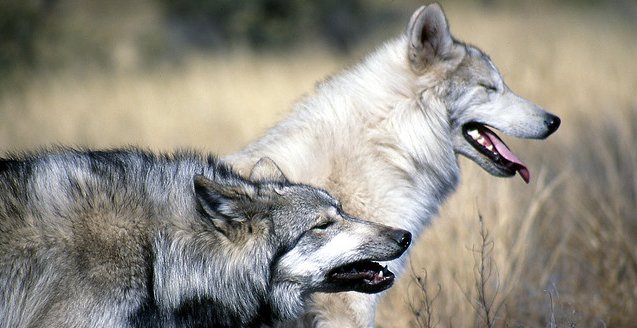
 “One evening an old Cherokee told her grandchild about a fight that goes on inside people. She said, My child the battle is between two “wolves” inside us all. One is Bad: It is hatred, self- loathing, guilt, self- pity, lies, fear, greed, arrogance, resentment, inferiority, superiority and ego. The other is Good: It is joy, peace, self-love, hope, serenity, humility, kindness, benevolence, empathy, generosity, truth and compassion. The grandchild thought about this awhile and then asked his grandmother, “Which wolf wins?” The old Cherokee simply replied, “The one you feed” .”
This powerful Cherokee tale speaks volumes about how we interpret life, our experiences and the potential to make change. Looking at our thoughts we can become aware of our own internal coach. Is he/she supportive or critical? Thoughts can be so automatic that we may not realize the connection in how we are feeling to a previous thought; negativity can become a habit that leads to chronic tension and anxiety.
Next time your body produces anxiety symptoms: nervous stomach, physical tension, racing heart, take a moment to notice what is arising and consider what your current thoughts were. Most likely they were worry thoughts. These worry thoughts are probably distorted in some way. There are at least ten common cognitive distortions that people use which contribute to anxiety. A common one is called “catastrophizing”. This is when one imagines and then expects the worst to happen.
Learning what distortions you are feeding yourself, challenging them and substituting a new balanced thought requires practice but can be readily learned.Keeping a log of your worry thoughts is the beginning in gaining a sense of control over worries. Write them down on paper gives you more power as you begin to de-construct anxious thinking.
(blog-tranquilsolutions)
 onelovemedia